
How the Right Print Media Strategy Protects Uptime

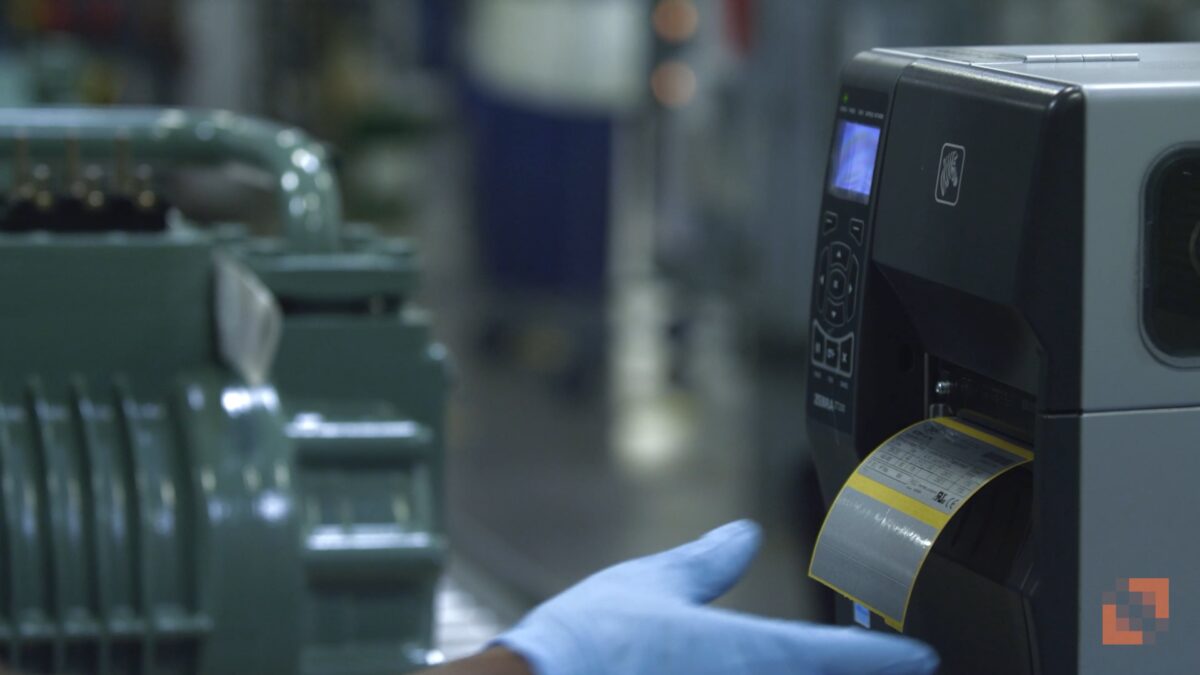
Industrial label printer producing barcode labels in a manufacturing environment, highlighting the importance of print media quality for uptime and operational performance.

Labels are easy to treat as a small line item until the wrong label slows a printer, interrupts a production line, or creates barcode issues downstream. A practical print media strategy helps operations teams protect uptime by aligning label materials, adhesives, print methods, printer requirements, and inventory planning with the realities of day-to-day operations.

In the accompanying video, DecisionPoint Technologies explores how Zebra printing environments can be affected by media selection, and why the right print media decision is about more than securing a lower label price. It is about reducing operational risk and supporting reliable operations.

Why print media strategy is an uptime issue 

Operations teams often spend carefully on barcode scanners, mobile computers, and printers. Those investments matter, but the label that moves through the printer and carries the barcode is just as important to the workflow. If that label does not run reliably, print cleanly, adhere correctly, or scan consistently, the larger edge technology environment can suffer. 

Print media as one of the most overlooked pieces of the operation. The label may cost only a small amount per unit, which can make it tempting to focus on acquisition price first. But labels are not isolated supplies. They interact with printers, printheads, applications, surfaces, temperature, handling, storage, scanning processes, and downstream users. 

That is why the strategy should be evaluated as part of operational uptime, not only as a purchasing decision. The question is not simply, “What does this label cost?” A better question is, “Will this label perform reliably across the printer, product, worker, scanner, shipment, and environment where it needs to work?” 

The lowest-priced label is not always the lowest-cost label 

One of the strongest points in the source material is the difference between the price of a label and the cost of a label. The price is the amount paid for the roll, case, or supply order. The cost includes what happens if that media causes downtime, poor barcode readability, rework, maintenance, delays, or avoidable frustration for workers. 

For example, a label that costs only a few cents can create much larger operational exposure if it contributes to downtime in a high-value production environment. This is not a universal calculation for every facility, but it does illustrate the broader point. Small consumables can create an outsized impact when they touch critical workflows. 

For a warehouse, manufacturing site, distribution center, or shipping operation, the hidden costs can show up in practical ways: 

  • Printers stop or require attention because the media gums up or does not feed correctly. 
  • Barcodes print poorly and become harder to scan. 
  • Teams lose time troubleshooting labels instead of moving work forward. 
  • Shipments, production steps, or receiving processes slow down because labels fail at the point of use. 
  • Maintenance costs rise because printheads and printer components experience avoidable wear. 

The important point is not to exaggerate the risk. The risk is real because the source materials connect label quality, adhesive selection, compatibility, barcode readability, maintenance costs, and workflow performance. Low purchase price should be weighed against total performance across the label lifecycle. 

What makes the right label “right”? 

The right label is not the same for every operation. The right media is media that runs reliably through the printer, supports a strong barcode, fits the application environment, and helps minimize downtime. That makes label selection a technical and operational decision, not just a sourcing task. 

Several inputs matter when evaluating media fit: 

  • Printer compatibility: The label needs to work with the specific printer and print method being used. 
  • Label material: The face stock should fit the environment, handling requirements, and expected life of the label. 
  • Adhesive selection: The adhesive must match the surface, exposure conditions, and durability requirements. 
  • Print method: Direct thermal and thermal transfer are different approaches, and the right choice depends on how and where the label will be used. 
  • Barcode performance: The label must support readable, scannable output throughout the workflow. 
  • Application environment: Temperature, movement, handling, storage, and product surface can all affect performance. 

This is where many teams benefit from a fresh review. Some organizations continue buying labels the same way they have for years, even though materials, adhesives, application needs, and sourcing options have changed. A label that worked well for an old process may not be ideal for a new printer, new workflow, new product, new environment, or new volume requirement. 

Why ordering the same labels can create new risk 

There is nothing wrong with repeat purchasing when the media still fits the operation. The risk is assuming that the original choice is still the right choice without evaluating how the environment has changed. Teams buy  labels from familiar sources or online channels because that is how they have always purchased them. But printing environments evolve. So do adhesives, label materials, printer models, barcode requirements, and operational demands. 

Workforce changes can also affect media decisions. Facilities may not always have the same depth of in-house label expertise they once had. When experienced team members move on or responsibilities shift, label purchasing may become more reactive. Teams may reorder what looks familiar instead of asking whether the media still matches the current environment. 

A stronger approach is to evaluate the full use case. Where will the label be applied? What surface will it touch? How long does it need to last? Will it face temperature changes, abrasion, chemicals, moisture, long-term storage, or frequent handling? Which printer and ribbon combination will be used? How will the barcode be scanned later? 

Those questions help move the discussion from “Which label is cheapest?” to “Which label is most reliable for this workflow?” That shift is what protects uptime. 

Managed media programs can reduce supply risk 

The source materials also point to a second part of the media strategy: inventory planning. Even the right label can create operational issues if it is not available when teams need it. For production, warehousing, and shipping environments, label shortages can quickly become workflow interruptions. 

A managed media approach can help teams understand usage, plan safety stock, and reduce reactive ordering. Focus on looking at overall usage by label stock and having the right materials available either at the facility or through a supplier or converter. Usage visibility, safety stock, and supply planning are important parts of the process.

This kind of planning can be especially useful when operations use multiple label sizes, adhesive types, materials, and print methods. Without visibility, teams may over-order some supplies, under-order others, or rush to replace critical media when demand spikes. With better planning, media becomes part of the operating system rather than a last-minute purchasing problem. 

Where Zebra-approved media may fit

DecisionPoint and Zebra help organizations look beyond the printer itself and evaluate the full print and media environment. Zebra-approved media is designed and tested to work with Zebra printing technologies, helping organizations align label materials, printer requirements, and application needs more effectively. Through its industrial print solutions practice, DecisionPoint helps organizations evaluate how printers, media, inventory planning, and operational requirements work together to support uptime, barcode readability, and consistent workflow performance across production, warehousing, and shipping operations. When printers, media, and application requirements are aligned, organizations can improve label performance, enhance printer reliability, and support more consistent operational outcomes throughout the workflow.

Questions to ask before your next label order 

Before reordering labels or switching providers, operations and IT teams should consider some practical questions: 

  1. Are we choosing labels based on purchase price, or based on total workflow performance? 
  2. Do our current labels run reliably through our printers without extra maintenance or downtime? 
  3. Are our barcodes consistently readable after printing, handling, storage, and use? 
  4. Have our printers, applications, materials, surfaces, or environments changed since we selected this media? 
  5. Do we know which label stocks we use most and how much safety stock we need? 
  6. Are we relying on outdated buying habits instead of reviewing the full print environment? 
  7. Have we evaluated whether Zebra-specified media programs could support our uptime and maintenance goals? 
  8. If the answer to any of these questions is unclear, it may be time to review the print media environment. That review does not need to start with a major overhaul. It can start with understanding current media, usage patterns, printer compatibility, barcode performance, and recurring issues. 

Labels may sit behind the scenes, but they are connected to some of the most important moments in an operation: printing, scanning, producing, shipping, receiving, tracking, and confirming work. When media performs well, it often goes unnoticed. When it fails, the impact can appear everywhere else in the workflow. 

A thoughtful print media strategy helps teams connect label quality, adhesive selection, printer compatibility, inventory planning, and barcode performance into one operational decision. It helps shift the conversation from short-term label price to long-term uptime, reliability, and workflow continuity. 

Explore how the right print media strategy can help reduce hidden costs, protect printer uptime, and keep labeling operations moving in the video above. Or reach out today and talk to an expert.

If You’re in Need of Expert Guidance, Look No Further.

Contact us today and take your first steps toward transformation.