

By: Jamie Montville, Director, Territory Sales, and Salem Collins, Director of Sales, Retail Services
Grocery retail modernization is rarely a clean replacement of old technology with something newer.
In many grocery stores, new capabilities have to operate alongside aging devices, existing applications, and processes shaped by years of day-to-day use. Success depends on more than selecting the right solution. Retailers also have to understand how that solution will perform inside the environment they already have.
Drawing on their experience supporting retail technology and store modernization initiatives, DecisionPoint Technologies experts Jamie Montville and Salem Collins explain why a functioning pilot is not the same as readiness for broader deployment. The pilot must expose compatibility issues, give associates time to adapt, and reveal requirements that need to be incorporated into the rollout plan.
Datalogic provides the connected technology foundation for these critical workflows, helping retailers modernize how products are identified, information is captured, transactions move, and associates support customers across the store. DecisionPoint Technologies helps make that foundation work in the real store environment through assessment, integration, implementation, deployment, and ongoing support.
Thin grocery margins help explain why modernization often begins with older hardware still in service. Retailers may also rely on custom-built applications, so replacing a device does not remove the need to work with the existing software environment.
What looks like a straightforward device swap can expose compatibility, workflow, or software issues once the new solution connects to the applications and systems already supporting the store.
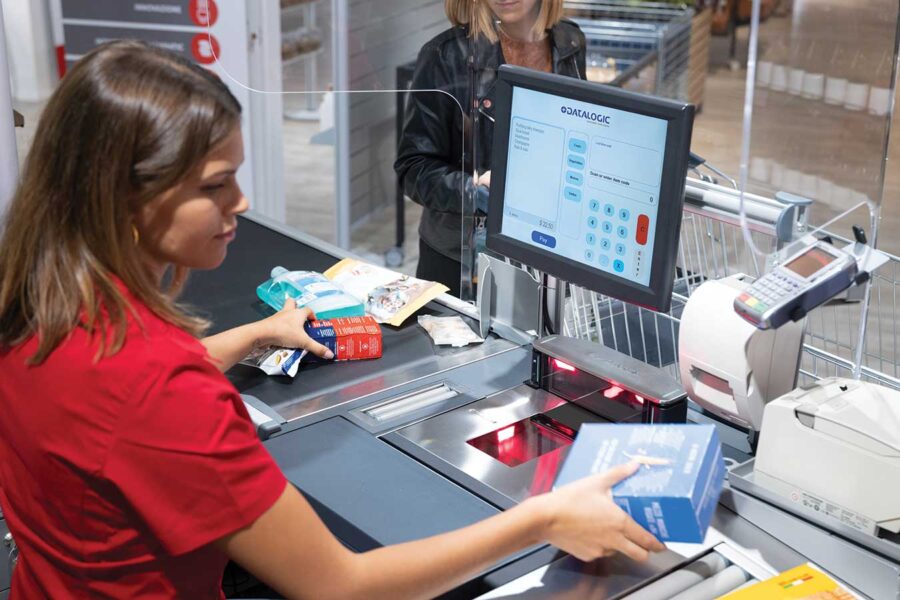
Checkout makes that risk particularly visible. A compatibility issue elsewhere in the store may create operational disruption, but a failure at the point of sale can interrupt the retailer’s ability to transact and put the problem directly in front of the customer.
For that reason, a pilot should do more than demonstrate functionality. It should reveal what happens when the solution meets the real store environment.
A successful pilot can show that the solution functions in a defined setting. It does not always show whether associates are ready, support requirements are clear, software issues have surfaced, or the broader operating model is prepared to scale.
A stabilization period gives the retailer time to uncover usability questions, workflow issues, and software concerns that may not have appeared during formal user acceptance testing. It also gives associates time to become comfortable with the interface before deployment expands.
That learning often starts with the associates using the solution every day.
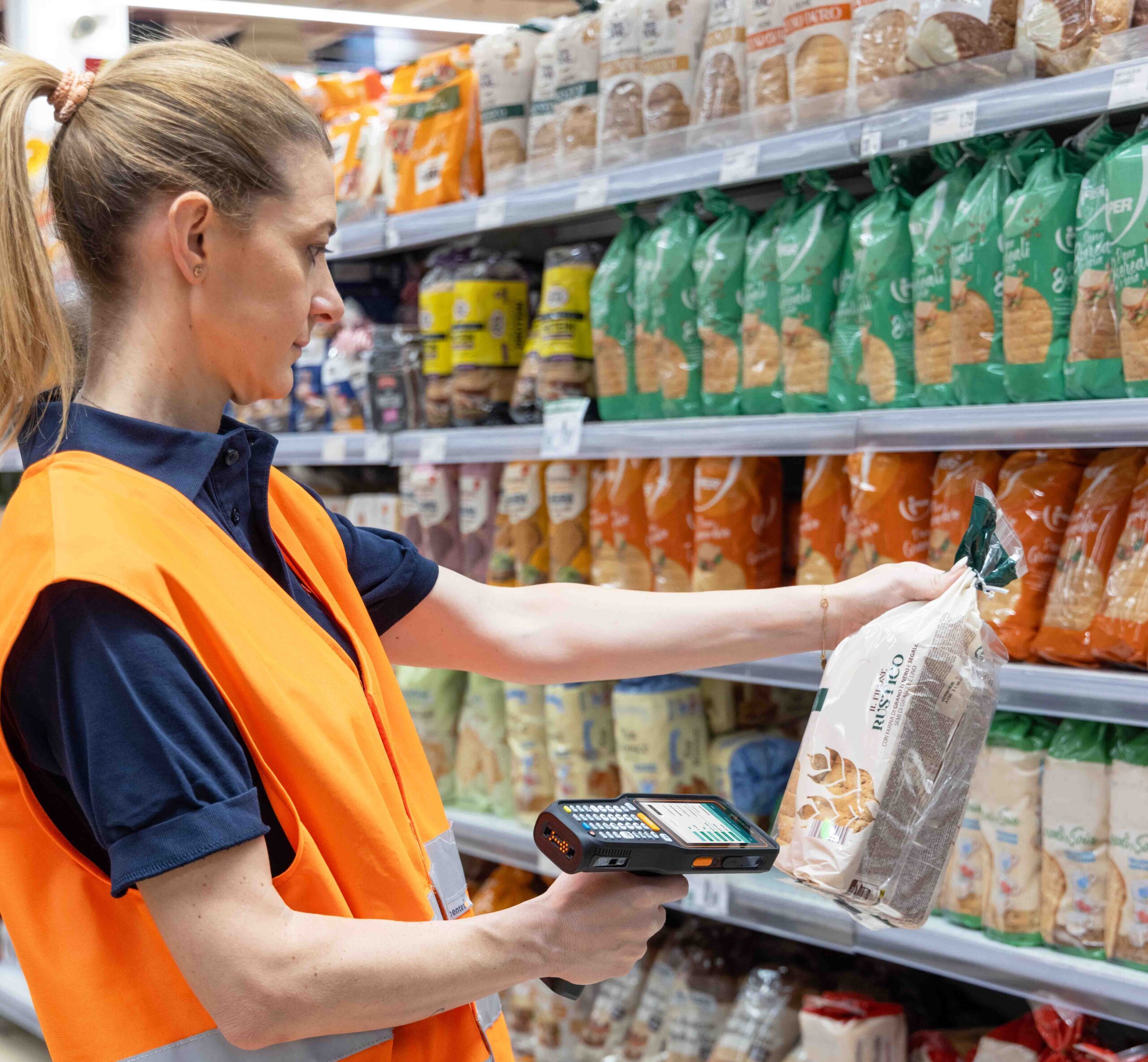
New software can present associates with a very different interface when they arrive for their next shift. As they move through real workflows, they may identify issues that formal testing did not capture.
That feedback deserves attention before the deployment expands. If an associate struggles with a new workflow, it may point to a larger fit issue between the solution and the store’s operating model, giving retailers a chance to adjust training, configuration, or workflow design before scaling.
Because associates often use these tools while assisting customers, fit issues can quickly move from an internal concern to a visible customer experience.
That is also why the pilot should inform the rollout plan, not simply confirm it.
Once a solution enters the live store environment, new requirements often surface. Feedback gathered during and after the pilot may reveal needs that were not included in the original deployment scope, from workflow adjustments to integration details or support expectations.
Uncovering those requirements during the pilot gives retailers a chance to adjust the deployment scope before rollout. Although the findings may expand the original plan, addressing them early is better than repeating the same issue across multiple stores.
Increasingly connected store environments give operators a broader view of store performance. As modernization extends beyond individual devices, integration readiness becomes part of the rollout decision.
Turning pilot findings into repeatable execution requires coordinated technology, workflows, deployment, and support. DecisionPoint Technologies sources, designs, configures, deploys, and maintains technology across retail environments and the supporting supply chain. As the edge technology integration leader, DecisionPoint brings those capabilities together to carry pilot lessons across locations.
The true test of retail modernization is not the moment a pilot turns on. It is what happens next: in the store, for the associate, and in front of the customer.
To apply these lessons to your next initiative, explore Grocery Operations Modernization: From Dock to Checkout, from DecisionPoint Technologies and Datalogic. It maps friction points and technology approaches across the store, helping teams identify where modernization could improve performance.
Ready to move from pilot to scale? Connect with DecisionPoint Technologies to plan a rollout around your existing systems, associate workflows, and support requirements.
